

Malta Carnival is one of the island’s most vivid and anticipated annual celebrations, bringing together history, creativity, music, costumes, and community spirit in one unforgettable event. For visitors, it is also one of the best times to experience Malta beyond the beaches, because the entire atmosphere becomes more expressive, more festive, and more connected to local life.
For students learning English in Malta, Carnival offers something even more valuable: a chance to practise the language in real-world situations while enjoying one of the country’s most iconic cultural traditions. Whether you are travelling in 2026 or planning ahead for 2027, Carnival is a powerful example of how immersion can turn a holiday into a learning experience.

Why Malta Carnival Is Worth Experiencing
Malta Carnival is more than a parade of colourful costumes. It is a living tradition that brings together generations of Maltese people and visitors from around the world. Streets fill with music, public squares become stages, and the island takes on a festive energy that is easy to feel even if it is your first time attending.
For tourists, this makes Carnival one of the most enjoyable moments of the year to visit. It is lively but welcoming, cultural but accessible, and full of opportunities to see how Maltese people celebrate together.
For English learners, the event has an added advantage. Public events in Malta often involve English in signage, conversations, tourist information, and everyday interaction, so visitors can practise listening and speaking in a natural setting. That kind of experience helps English feel useful, not just academic.
A Tradition That Goes Back Centuries
The roots of Malta Carnival go back to the early 1530s, during the period of the Knights of St John. What started as a more elite and courtly celebration gradually became a national event open to the wider community. Over time, it developed into the Carnival people know today: energetic, imaginative, and deeply tied to Maltese identity.
This long history gives the festival a special cultural weight. It is not simply a modern event designed for entertainment. It is part of Malta’s heritage, which makes it especially interesting for visitors who want to understand the islands in a deeper way.
For students, that historical backdrop adds another layer of learning. Carnival becomes a way to explore not only English, but also Maltese culture, history, and the social traditions that still shape life on the islands.

When Carnival Takes Place
Malta Carnival usually happens in late winter, which gives it a unique place in the annual calendar. In 2026 and 2027, visitors can expect the festival to take place in the same seasonal window, when Malta feels quieter than summer but still full of life and colour.
That timing makes Carnival especially attractive for travellers who want to avoid peak-season crowds while still enjoying a major cultural event. It is a smart choice for students who want to combine English study with an enriching travel experience.
The main celebrations are centred in Valletta, with additional festivities in Floriana and a very different, more spontaneous version in Nadur, Gozo. Each location offers a different experience, which is one of the reasons Carnival remains so appealing to repeat visitors.
Valletta: The Main Stage
Valletta is the heart of Malta Carnival. As the capital city and a UNESCO World Heritage Site, it provides a dramatic and historic setting for parades, floats, costumes, and public performances. The city’s narrow streets and grand squares create a natural stage for Carnival’s most iconic moments.
Visitors in Valletta can expect major parades, children’s events, competitions, and street entertainment. The energy is festive and family-friendly, and the city becomes a place where tradition and creativity meet in a very visible way.
For English learners, Valletta is also one of the best places to be because it is highly walkable and full of practical opportunities to interact with people. Asking for directions, ordering food, understanding event announcements, and chatting with other visitors all become part of the experience.
Floriana and the Festival Atmosphere
Floriana often plays an important supporting role in Malta Carnival, especially because of its open spaces and proximity to Valletta. The area helps extend the festival atmosphere beyond the capital’s historic streets and gives visitors another angle on the celebration.
This is useful for travellers who want to move between different parts of the event without feeling overwhelmed by the busiest areas. Floriana offers more space, easier movement, and a slightly different rhythm while still remaining close to the centre of the action.
For visitors learning English, this kind of setting can be especially comfortable. It gives them a chance to observe, listen, and participate at their own pace while still being part of the wider celebration.
Nadur Carnival: The Alternative Side
If Valletta is the polished and iconic face of Malta Carnival, Nadur in Gozo is its spontaneous and unconventional counterpart. Nadur is famous for its night-time celebrations, satirical costumes, darker humour, and unpredictable atmosphere. It has a very different personality from the capital’s more formal parade style.
That contrast is part of what makes Carnival in Malta so interesting. The same national tradition can take on different forms depending on the locality, and Nadur shows how much local identity still matters in Maltese culture.
For adventurous visitors, Nadur offers a more unusual and memorable experience. It is ideal for those who want to see a less polished, more local side of Carnival and observe how Maltese traditions can be playful, creative, and a little rebellious.

What Visitors Will See
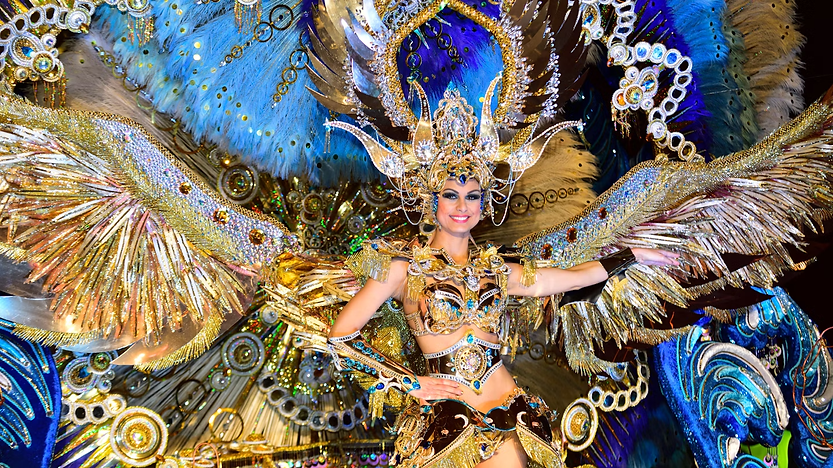
Malta Carnival is known for its visual richness. Expect large parade floats, detailed costumes, music, dance, and street theatre that fills the city with movement and colour. Many of the costumes are imaginative and handmade, and the floats often reflect both traditional and contemporary themes.
Children’s events are also an important part of the celebration, which makes Carnival accessible to families. These events help create a welcoming environment where visitors of all ages can enjoy the atmosphere.
For tourists, this means there is always something to watch. Even if you are not following a formal programme, simply walking through the city during Carnival can feel like entering an open-air performance.
Carnival and the English Learning Experience
One of the strongest reasons to recommend Malta Carnival to English learners is that it creates natural opportunities to use the language. At a festival like this, students hear English in many forms: announcements, directions, casual conversations, food stalls, ticketing areas, and conversations with other visitors.
This kind of exposure is valuable because it helps learners connect language with context. A student may already know how to ask a question in class, but using that same question during a crowded event makes the experience more memorable and more practical.
Carnival also helps learners build confidence. Instead of worrying about perfect grammar, they focus on communication, which is one of the most important steps in becoming fluent.
Food and Local Flavours
No visit to Malta Carnival is complete without trying some of the traditional sweets associated with the season. Prinjolata, kannoli, and mqaret are among the best-known Carnival treats, and they add a delicious layer to the celebration.
Prinjolata is especially iconic, with its layered presentation and sweet richness making it a favourite during festive periods. Kannoli and mqaret are also popular choices, offering visitors a taste of local Maltese pastry traditions.
For English learners, food is another simple but powerful way to practise the language. Asking what something is, describing the taste, or talking about ingredients can all become useful conversations during a visit.
Why This Matters for Students
For an English language school, Carnival is a perfect example of Malta’s immersive value. Students are not only learning in a classroom; they are living in an environment where culture and language meet every day.
That matters because real communication is the fastest way to build confidence. When students attend events like Carnival, they use English to navigate, ask questions, understand new information, and interact with the world around them. That is what turns learning into experience.
It also makes the school offering more attractive to international visitors. Malta becomes more than a destination for lessons; it becomes a destination for learning through life, culture, and exploration.
Travel Tips for Carnival Visitors
If you are planning to attend Malta Carnival in 2026 or 2027, it is wise to book accommodation early, especially if you want to stay near Valletta or in central areas with good access to the celebrations. Carnival is popular, and the best-located rooms tend to go quickly.
Public transport is usually the most practical way to move around during the festivities. Malta’s bus network can help visitors reach the main event areas without the stress of parking or traffic.
Weather can also matter. Carnival takes place in February or early spring, so visitors should pack layers and prepare for cooler, breezier conditions than they would expect in summer. A comfortable jacket and good walking shoes can make a big difference.
A local guide can also add real value, especially for visitors who want to understand the history behind the festival and discover less obvious places to watch the celebrations.
Cultural Value Beyond the Parades
What makes Malta Carnival so memorable is not just the spectacle. It is the way the festival brings together history, creativity, food, performance, and community in one shared experience.
Visitors who spend time at Carnival often leave with a deeper understanding of Malta itself. They see how tradition can remain lively and inclusive, how local identity can be expressed in public space, and how a small island can create an event with such strong visual and emotional impact.
For students, this is especially meaningful. A trip to Carnival can become part of their English journey, helping them learn through movement, observation, conversation, and participation.

Why Visit Malta for Carnival in 2026 and 2027
If you are planning a language trip, Malta Carnival offers a strong reason to choose Malta in 2026 or 2027. It adds cultural depth to the student experience and gives visitors a unique event to remember long after their course ends.
The combination of English immersion, Mediterranean atmosphere, and authentic local tradition makes Carnival one of the best seasonal experiences for students and tourists alike. It is colourful, welcoming, and full of opportunities to learn.
In a destination where English is widely used and culture is part of daily life, Carnival becomes more than a festival. It becomes a classroom without walls.
Malta Carnival is one of the island’s most iconic cultural celebrations, and it offers visitors a rare combination of heritage, spectacle, and real-life English practice. From the historic streets of Valletta to the alternative energy of Nadur, the festival captures the many layers of Maltese identity in one unforgettable event.
For students, it is a reminder that language learning is most powerful when it happens in context. For visitors, it is simply one of the most exciting times of the year to be in Malta. And for anyone looking ahead to 2026 or 2027, it is a celebration worth planning for.


